February 25, 2026
Choosing the right material for your roof replacement is a significant decision that impacts both the aesthetics and functionality of your home. This article dives deep into the pros and cons of asphalt and metal roofing, comparing various aspects such as cost, durability, environmental impact, and more. With the right information, you can make an informed choice that fits your budget and complements your home’s architecture. Roofs play a crucial role in safeguarding homes against environmental elements, highlighting the importance of materials that offer both durability and aesthetic appeal. By understanding the comparative advantages and drawbacks of asphalt and metal roofs, homeowners can better align their roofing outcomes with their expectations.
Cost Considerations
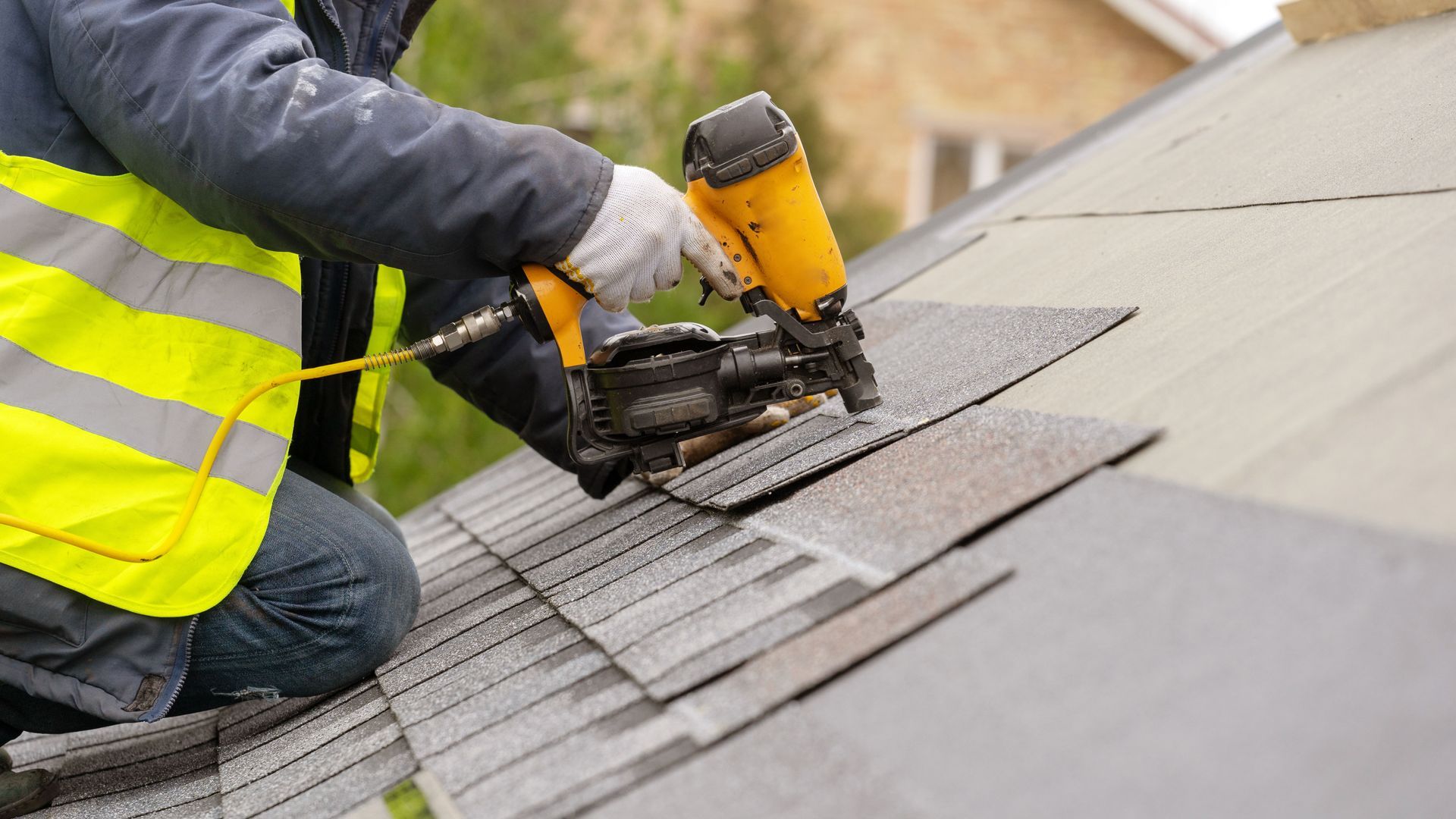
The upfront cost of roofing materials is often a primary concern for homeowners. Asphalt shingles, the most widely used roofing material, are typically more affordable than metal roofs in terms of initial investment. Thanks to their cost-effectiveness and availability, they are used in approximately 80% of roofing projects according to RubyHome. Metal roofing, by contrast, usually comes with a higher upfront cost due to material pricing and more complex installation. Still, many homeowners weigh these costs against long-term benefits.
Although metal roofs require a larger initial investment, they can be more cost-efficient over time. Their longer lifespan may reduce future roof replacement expenses, and they generally require fewer repairs than asphalt shingles, which can wear down more quickly. In areas with severe weather, metal roofing may help lower long-term re-roofing costs, making the investment worthwhile through extended durability and reduced maintenance.
Maintenance expenses also affect overall value. Asphalt roofs often need more routine upkeep to address curling, cracking, or missing shingles. Metal roofing is known for its durability and resistance to common issues, which can minimize ongoing maintenance costs. Over time, these savings may help offset the higher upfront price.
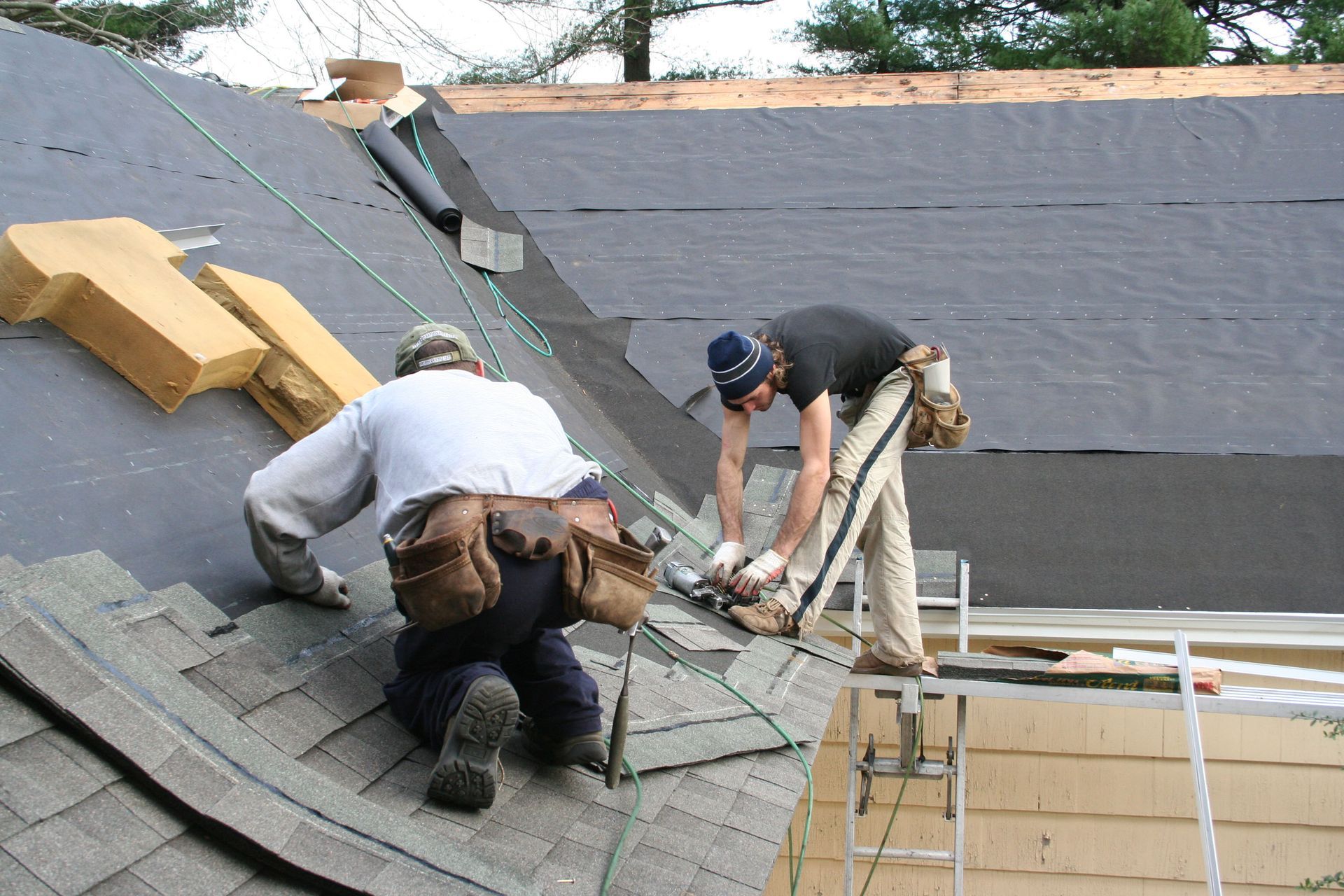
Installation is another important factor. Asphalt shingles are typically quicker and easier to install, resulting in lower labor costs. Metal roofs require specialized skills and more detailed installation, increasing initial expenses. However, their longevity and reduced risk of recurring issues can justify the added cost.
Insurance considerations may also influence the decision. Because metal roofs resist wind, hail, and fire, some insurance companies offer potential premium reductions. While asphalt roofs may not provide the same discounts, their lower initial cost still makes them a practical choice. Evaluating upfront costs, maintenance, and possible insurance savings can help homeowners make a well-informed decision.
Durability and Lifespan
Weather resistance is a crucial factor in roofing durability. Metal roofs are highly regarded for withstanding heavy wind, hail, and intense sunlight, helping reduce repairs and extend lifespan in harsh conditions. Asphalt shingles can experience more wear in extreme weather, but generally perform well in milder climates. Homeowners in storm-prone areas may find metal more dependable for long-term structural integrity.
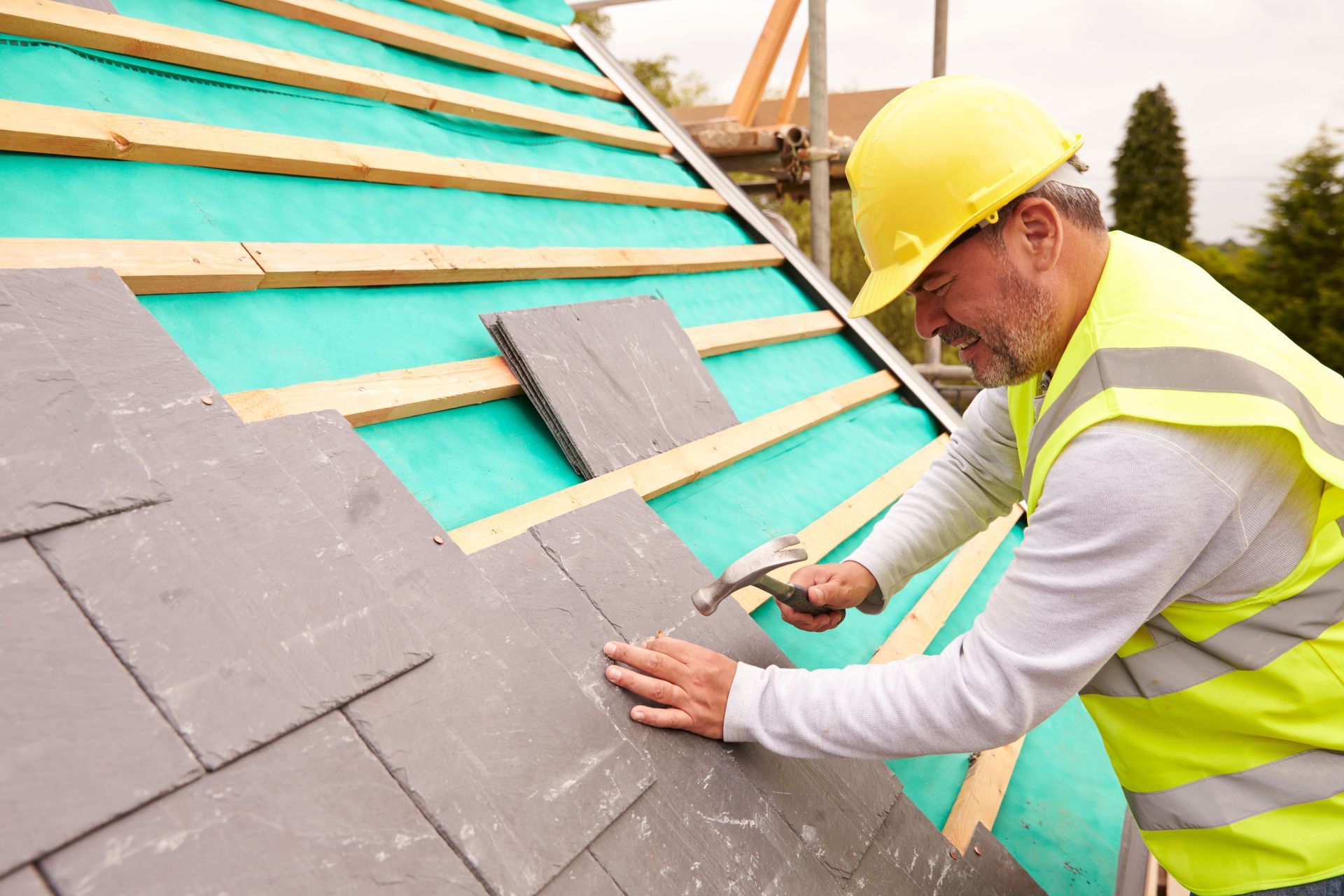
Longevity is another key advantage of metal roofs, which typically last significantly longer than asphalt shingles. This extended lifespan can reduce the cost and inconvenience of frequent roof replacement. While asphalt works well for many homeowners, those planning long-term occupancy may benefit from metal’s added durability, potentially delaying their next roof replacement by decades.
Environmental factors like humidity and UV exposure also affect performance. Metal resists rot, mold, insects, and sun damage, while asphalt shingles may crack or fade over time, particularly in humid or high-sun regions. These qualities make metal a strong option in demanding climates.
As roofing materials age, asphalt shingles may curl or crack, increasing the risk of leaks and repairs. Metal roofs generally maintain their appearance and strength for a longer period, adding to their overall value.
Warranties and repair needs should also be considered. Metal roofs often include longer warranties, reflecting their durability, though repairs may require specialized skills. Asphalt shingles usually carry shorter warranties but are often simpler to repair. Evaluating these factors helps ensure a cost-effective, reliable choice.
Aesthetic Options
The aesthetic appeal of a roof plays a major role in curb appeal. Both asphalt and metal roofing come in a wide range of colors to match different architectural styles. Asphalt shingles have long offered versatile color options, with modern improvements enhancing UV resistance and color longevity. Metal roofs also provide vibrant finishes and can mimic materials like slate or wood, making it easy to coordinate with your home’s overall design.
Compatibility with your home’s style is equally important. Asphalt shingles complement everything from traditional to modern architecture, while metal roofs offer sleek, contemporary looks that can also be adapted to more classic designs. Their ability to replicate traditional materials without sacrificing performance adds to their versatility.
Roofing can also influence property value. Asphalt’s familiar appearance appeals to many buyers, while metal roofing offers a distinctive, modern look that can attract design-focused homeowners. Depending on neighborhood trends and personal taste, either option can enhance curb appeal and marketability.
Customization is another advantage. Asphalt shingles come in various shapes and patterns for added visual interest, while metal roofs offer options like standing seam panels or metal tiles for a bold, modern finish. Both materials provide flexibility for homeowners who want a roof that reflects their style and enhances their home’s character.
Weather and Climate Suitability
Climate plays a major role in how well a roofing material performs over time. Asphalt shingles can be vulnerable to extreme temperature swings, while metal roofs offer excellent temperature regulation in both hot and cold climates, making them a versatile option. Considering your local weather helps ensure long-lasting, low-maintenance performance and can influence the timing of your next roof replacement.
Resistance to natural disasters is another key factor. Metal roofs are highly resistant to strong winds and fire, offering added protection in hurricane- or wildfire-prone areas. Asphalt roofs generally perform well in moderate conditions but may not provide the same durability in extreme events. In high-risk regions, metal’s resilience can justify the higher upfront cost and reduce the frequency of roof replacement over time.
Humidity and heavy rainfall also affect longevity. Metal roofs resist mold, mildew, and moisture damage, and their superior water-shedding ability helps prevent leaks. Asphalt shingles can be more susceptible to water infiltration if not properly maintained. Factoring in local moisture levels helps protect against long-term damage.
Insulation and comfort matter as well. Asphalt shingles provide solid thermal and sound insulation for most homes. Metal roofs reflect solar heat, improving energy efficiency when paired with proper insulation, and modern systems now reduce noise concerns. Your choice may depend on energy goals and comfort preferences.
Seasonal adaptability is essential. Metal roofs expand and contract efficiently with temperature changes, reducing wear over time. Asphalt shingles can be more prone to cracking in extreme cold. In areas with wide seasonal shifts, metal’s flexibility helps maintain performance and appearance year-round.
In the end, the choice between asphalt and metal roofing comes down to your priorities, budget, and local climate. Asphalt shingles offer affordability, familiar aesthetics, and straightforward installation, making them a practical option for many homeowners. Metal roofing, while requiring a higher initial investment, delivers exceptional durability, longevity, and resilience in extreme weather conditions. It can also provide long-term savings through reduced maintenance, fewer replacements, and potential insurance benefits.
Both materials offer a wide range of styles and colors, allowing you to enhance curb appeal while protecting your home. By carefully weighing upfront costs, long-term value, maintenance needs, and environmental factors, you can select a roofing solution that aligns with your goals. Ultimately, the best roof is one that balances performance, appearance, and cost—ensuring lasting protection and peace of mind for years to come. Our team at MHM Roofing and Construction Inc is ready to assess your roofing needs and provide a tailored roof replacement solution that protects your home for years to come. Call us now for a free estimate!