April 23, 2026
Replacing a roof is a major investment for any homeowner. Professional installation provides long-term protection against the elements and increases property value. Choosing a local roofer provides expertise tailored to your specific climate and building codes. Because, according to RubyHome, approximately 5 million roofs undergo installation annually, this high volume of work requires a systematic approach to verify every home receives the necessary care.
Preparing the Job Site and Property
The initial phase of the installation involves a high level of logistical coordination to protect your property from accidental damage. Your local roofer will typically start by moving heavy equipment into place and designating specific zones for debris management and material staging. This preparation includes laying out large tarps or plywood sheets around the entire perimeter of the house to catch falling shingles, old nails, and various bits of construction waste.
Plants, shrubs, and delicate landscaping features receive special coverage to prevent any accidental breakage during the teardown process. The crew works diligently to create a secure perimeter that keeps your garden and siding safe from falling debris while maintaining a clear and efficient workspace for the team. This setup is crucial for a smooth and safe workflow that protects your investment from the very start of the project.
Homeowners should expect a significant transformation in their yard during these early morning hours as the project begins. Professionals will often ask you to move all personal vehicles from the driveway and garage to provide clear access for the delivery of new materials and the placement of a large dumpster. Clear communication during this stage allows the crew to work efficiently while minimizing the impact on your daily routine. Taking these proactive steps at the start of the day prevents logistical bottlenecks and keeps the entire timeline on track.
Removing the Old Roofing Materials
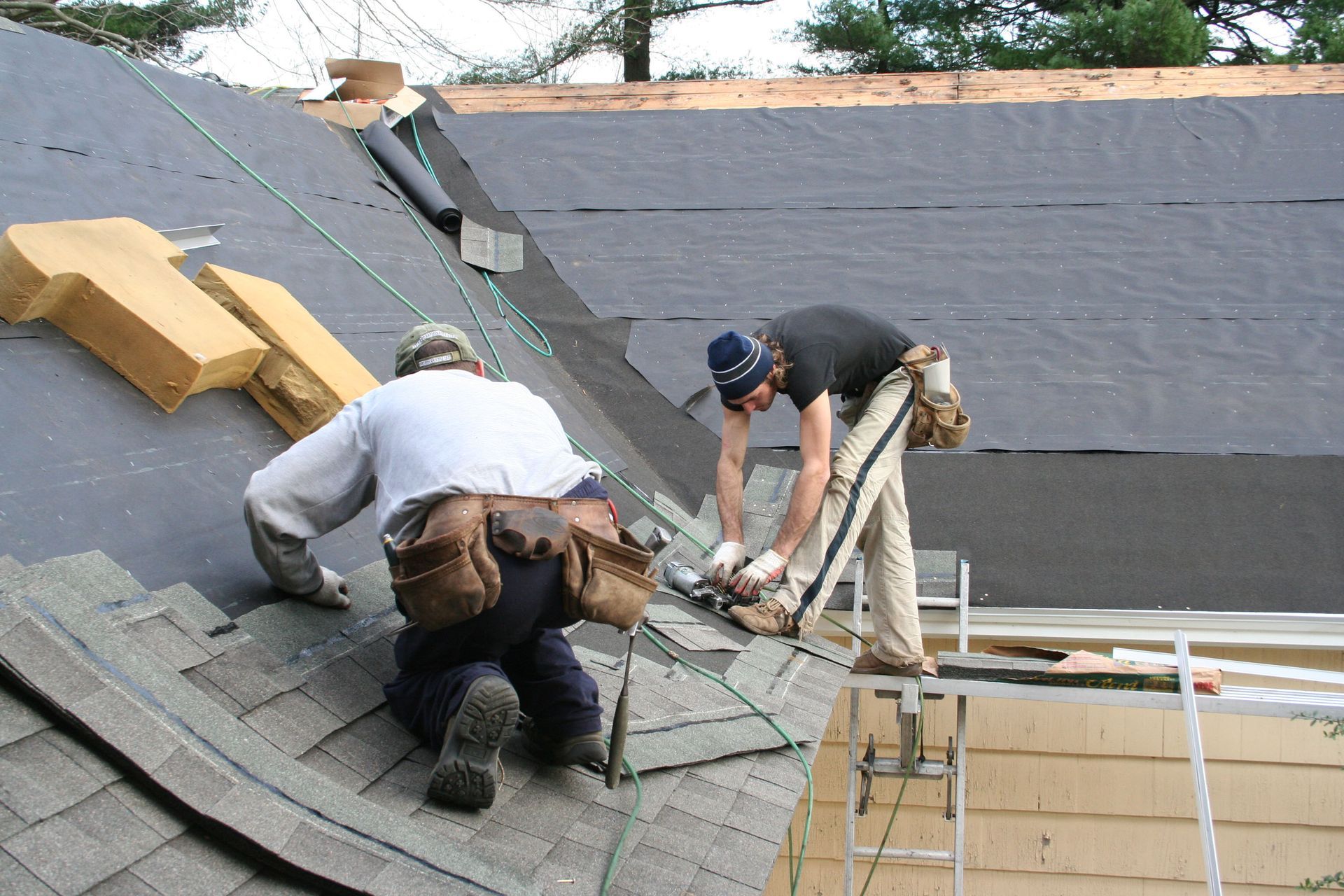
The most labor-intensive part of the project begins with the systematic removal of the existing shingles, old underlayment, and worn-out flashing. This process is often loud and dusty, as years of accumulated grit and weathered materials are stripped away to reveal the wooden deck beneath the surface. A professional uses specialized tools to pry up old layers without damaging the structural integrity of the roof rafters.
Each section is cleared and swept to allow for a full inspection of the underlying wood to check for any hidden issues that might compromise the new installation. This teardown is essential because it reveals the true condition of the structure, which is impossible to see from a simple surface-level visual inspection. It provides a clean slate for the new system. A local roofer knows exactly what to look for when evaluating the health of the roof deck.
During this phase, the crew looks for signs of rot, water damage, or mold that may have been hidden from view for many years. If the plywood or OSB sheathing is compromised by moisture or age, it must be replaced to provide a solid foundation for the new system. This step is vital because installing new materials over a soft or decaying deck will lead to premature failure. By clearing away every piece of old material, the team creates the ideal surface for the new waterproof barriers and high-quality shingles.
Installing the New Protective Layers
Once the deck is clean and repaired, the focus shifts to building a multi-layered defense against the elements and local weather patterns. The local roofer starts by applying a specialized leak barrier in vulnerable areas such as valleys, eaves, and around chimneys, where water tends to collect. This thick, self-adhering membrane provides extra protection against ice dams and wind-driven rain.
Following the barrier, a high-quality synthetic underlayment is rolled out across the entire surface to act as a secondary shield for the wooden deck. This material is much more durable than traditional felt and provides a superior grip for the workers as they move across the steep slopes. It serves as the primary water repellent layer during the construction process for the home exterior.
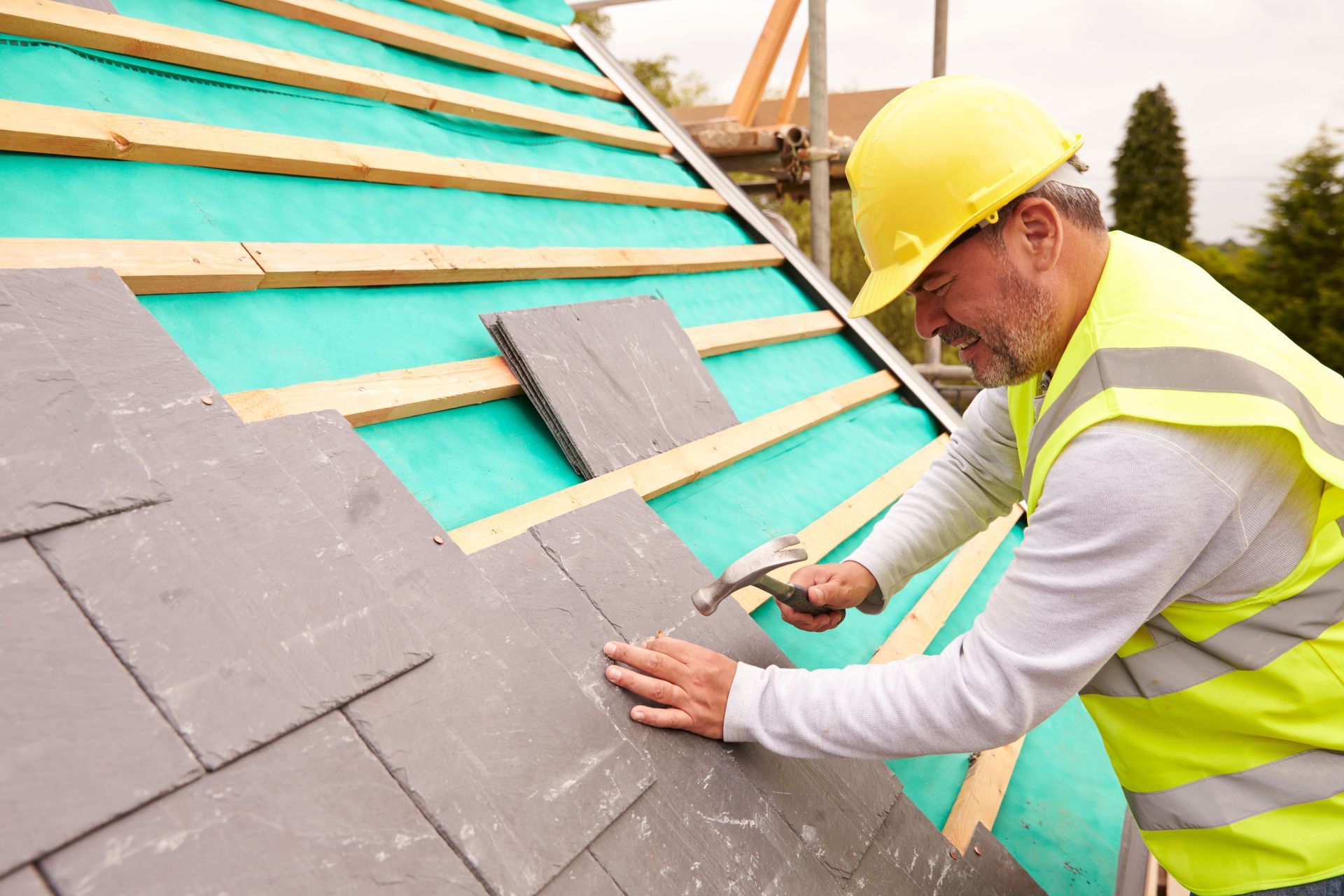
The application of the shingles or metal panels follows a specific pattern designed to shed water effectively towards the gutters and away from the foundation. Each piece is fastened using precise nailing techniques that comply with manufacturer specifications and local wind resistance requirements for your specific region. Professionals verify that every course is straight and every overlap is sufficient to prevent leaks during storms. This methodical approach to layering materials creates a comprehensive shield that can withstand the harshest environmental conditions for decades.
Executing the Final Site Cleanup
After the last shingle is placed and the ridge vents are secured, the focus returns to restoring the property to its original state. A dedicated local roofer will spend a significant amount of time walking the perimeter of the home to gather every scrap of leftover material and packaging. This involves a final pass with a high-powered magnetic rake to catch any stray fasteners.
They also check gutters and downspouts to make sure they are clear of granules and debris that may have fallen inside during the construction. Taking the time to perform this deep clean is essential for maintaining the safety and beauty of your outdoor living spaces. This final attention to detail reflects the company's commitment to excellence and professional service for every customer.
The crew will remove all equipment, remaining materials, and the dumpster from the premises to clear the way for your return to normalcy. They inspect the landscaping one last time to confirm that tarps are folded and that no plants were crushed during the heavy lifting or foot traffic. This commitment to cleanliness is a hallmark of a reputable provider in your area. A thorough cleanup ensures that your lawn and driveway are safe for children, pets, and vehicles immediately after the crew departs.
Conducting the Final Quality Inspection
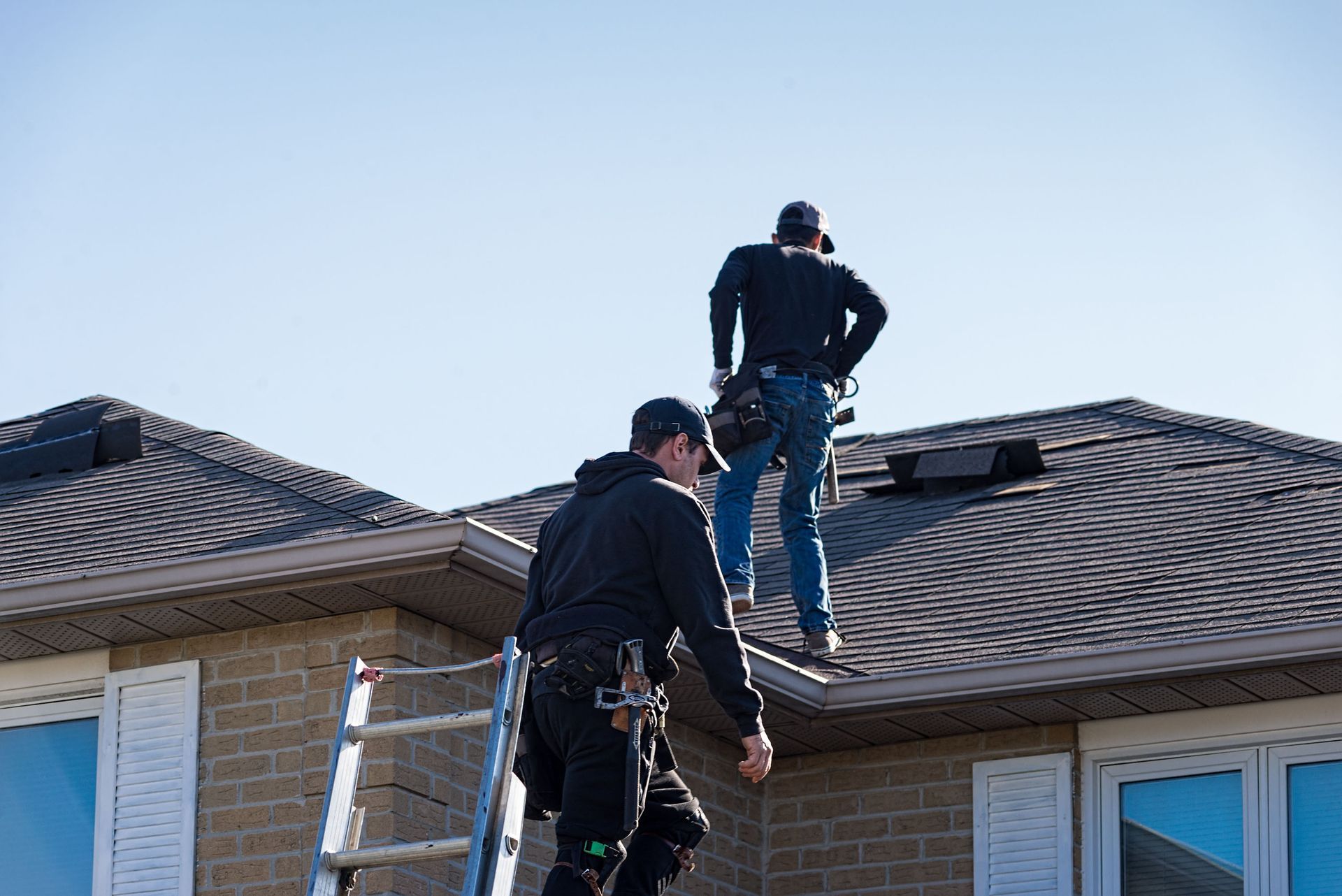
The project concludes with a comprehensive walkthrough to confirm that every aspect of the installation meets professional standards and local building codes. The lead foreman or the local roofer who managed the project will examine the alignment of the shingles, the integrity of the flashing, and the ventilation components. This inspection serves as a final check to catch any minor adjustments.
It is also an excellent opportunity for the homeowner to ask questions about the new features or the specific materials used. Viewing the finished product with a professional eye helps to confirm that all technical requirements were met during the build. During this final meeting, the professional will explain the specifics of the warranties associated with both the materials and the labor.
Finally, the documentation for the project is finalized and provided to the resident for their permanent home records and future reference. This packet typically includes copies of the contract, warranty certificates, and any permits required by the municipality for the exterior work performed. With the inspection complete and the paperwork in hand, the roofing process is officially finished, and the home is protected. This final meeting provides the formal closure necessary to transition the project from a construction site back into a fully functional and secure residence.
A successful roof installation relies on the expertise of a local roofer to navigate the complexities of construction. From initial preparation to the final inspection, each step provides lasting protection. By understanding what to expect, you can approach the project with confidence. Professional services keep your home safe and beautiful. Contact MHM Roofing and Construction Inc today to schedule your professional consultation and verify that your property receives the highest quality roof and exterior services.